You set up a welcome email eighteen months ago. It still fires today, and you probably haven't opened it since the day you built it.
That's the trap with most autoresponder series. Someone builds it once, gets busy, and never comes back to check whether it's still doing its job.
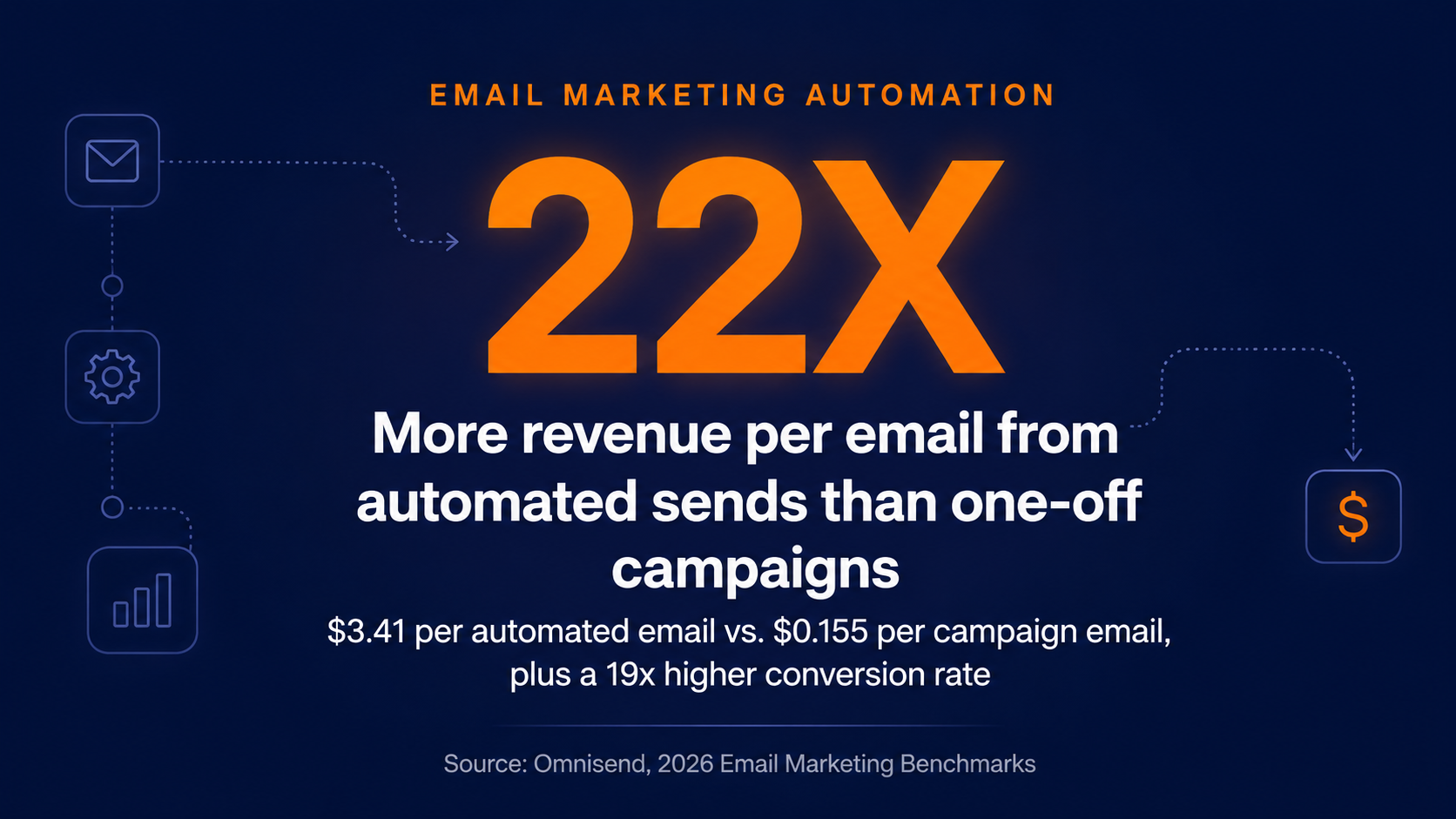
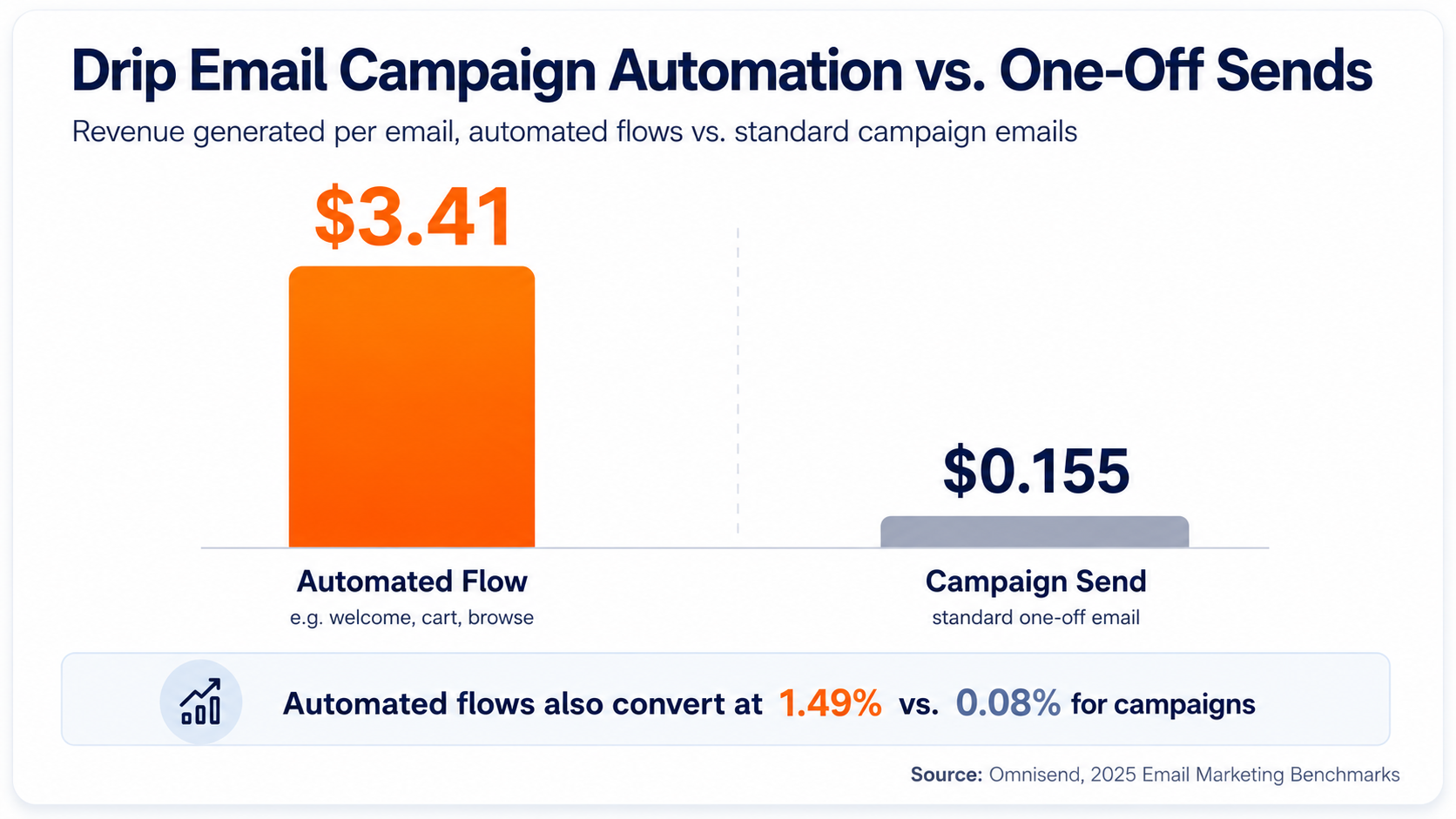
Meanwhile, automated emails generate roughly 22 times more revenue per send than one-off campaigns, and your email marketing automation might be quietly leaving money on the table every single day without anyone noticing.
Turn simple subscriber triggers into a powerful automated sequence
An autoresponder series is nothing more than a set of emails that go out automatically, triggered by something a subscriber does. They sign up. They download a guide.
They click a specific link. From there, the emails run themselves, which is exactly why so many of them get built once and forgotten.
Building one well takes more thought than most people give it, and a lot less complexity than the word "automation" makes it sound. Here's how to actually do it.
Give The Sequence One Job, Not Five
Before you write a single subject line, decide what this specific sequence is for. Not your email marketing automation program overall. This sequence, this trigger, this one group of people.
A welcome series that's supposed to build trust with brand-new subscribers reads completely differently than one built to push a first purchase. Trying to do both at once usually means neither happens well, and you end up with an email that hedges instead of committing.
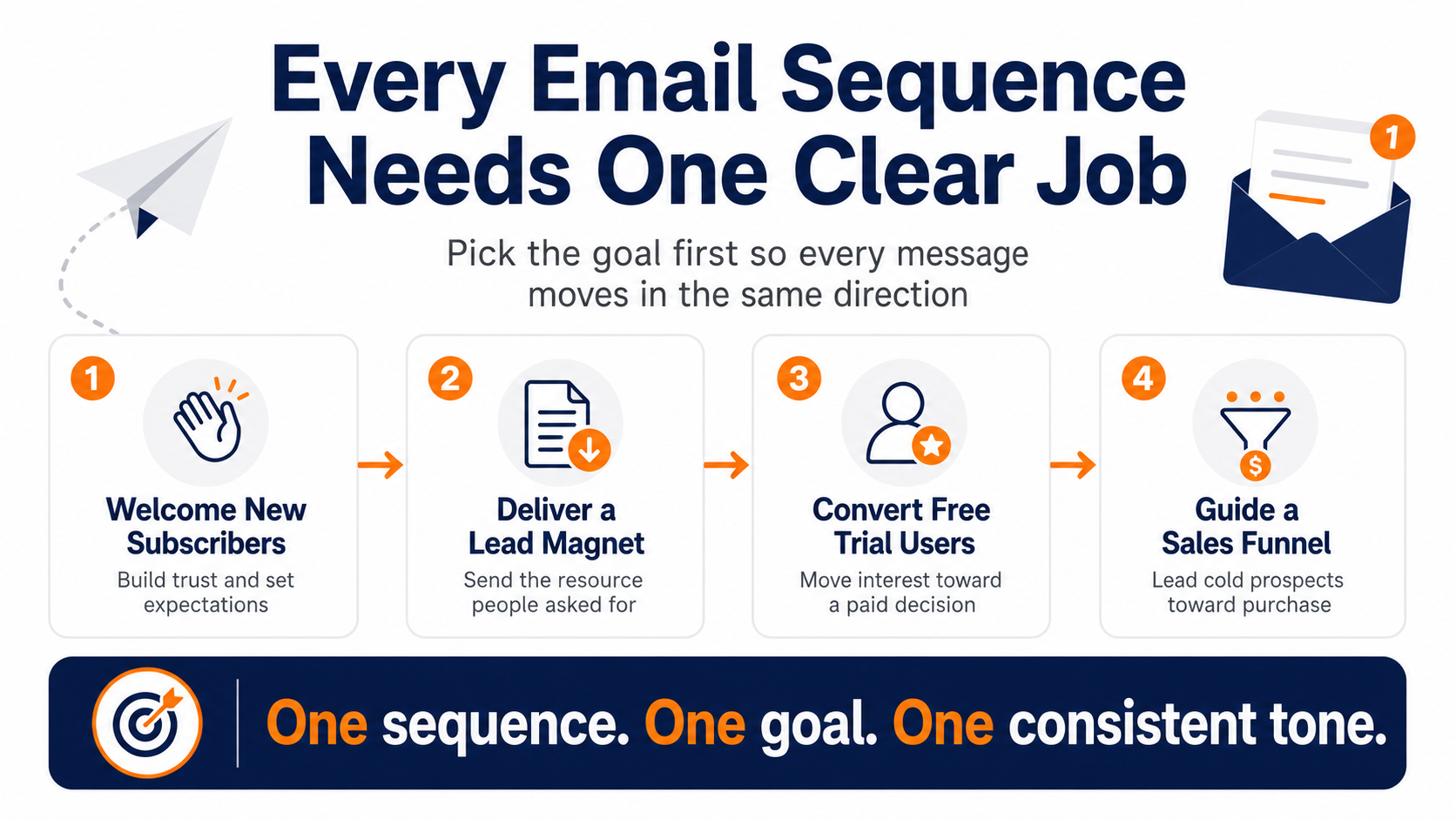
The four jobs most sequences actually serve
Most autoresponder series fall into one of a handful of buckets, whether the person building them realizes it or not.
- Welcoming new subscribers and setting expectations for what they signed up for
- Delivering a lead magnet or mini-course people actually asked for
- Nudging a free trial or freemium user toward a paid decision
- Running a full sales funnel from cold interest all the way to purchase
Pick one. Write the goal down in a single sentence before you open a blank email draft, and keep that sentence next to you while you write every message in the sequence.
Why the goal changes every email after it
Once you know the job, the sequence practically writes itself. A welcome-and-build-trust goal means your first email talks about who you are and what to expect, not what you're selling this week.
A funnel goal means every email moves the reader one step closer to a decision, with less small talk and more of a reason to act now rather than later.
Unify your tone and intent across the entire welcome series
Skip this step, and you'll end up with a sequence that reads like it was written by five different people with five different agendas, because in a sense it was. Each email pulls in its own direction, and the reader ends up with an inbox full of your indecision.
Picture a welcome series that opens warm and personal, pivots to a hard discount pitch by email two, then drifts back into brand storytelling by email four.
A new subscriber reading that in order has no idea what you actually want from them, and confusion is the fastest way to earn an unsubscribe from someone who hadn't decided to leave yet.
Segment Before You Write A Single Email
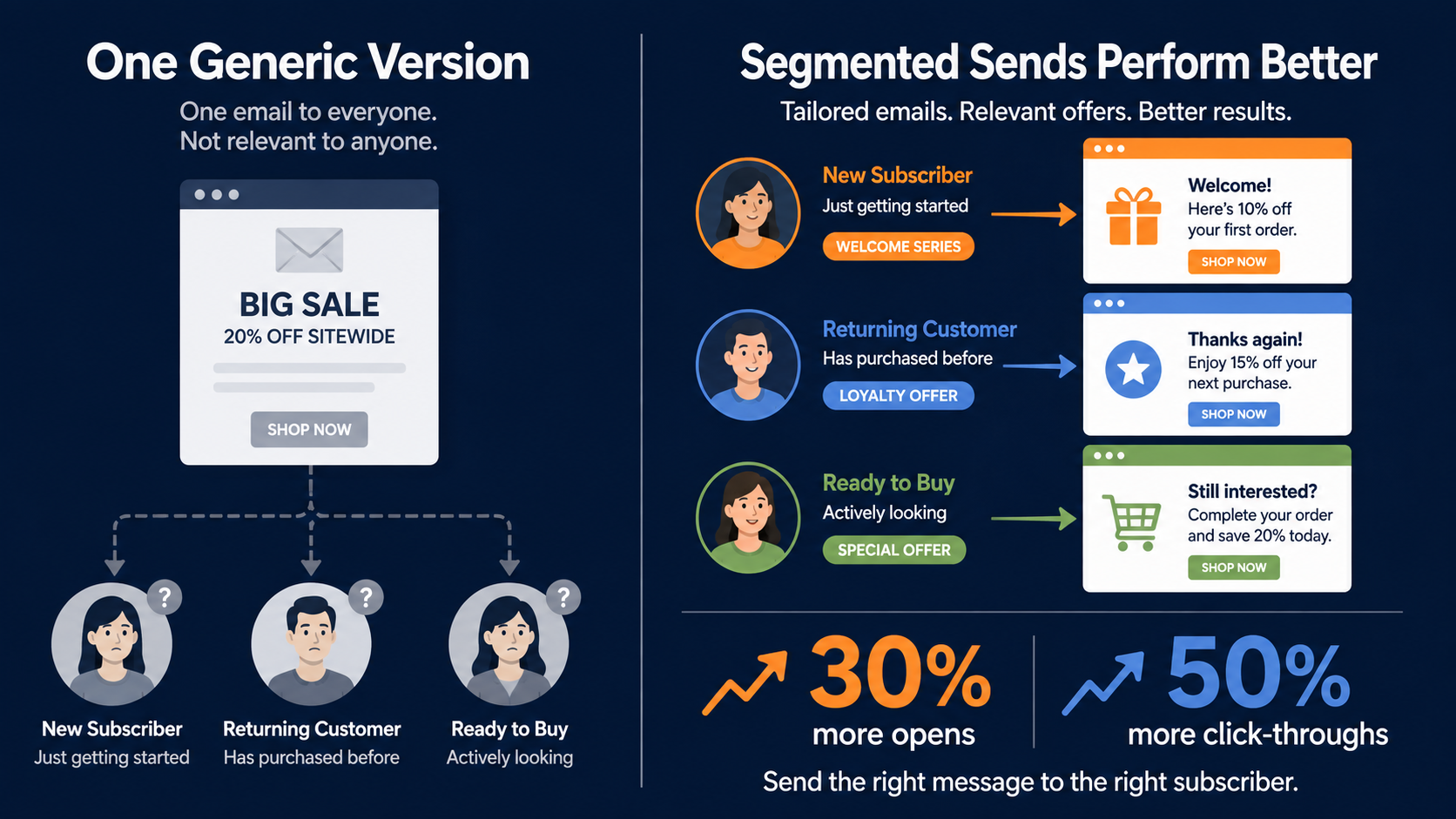
The version of this email that works for a returning customer and the version that works for a total stranger are not the same email. Sending one generic version to everyone is how you end up with a sequence that technically runs but quietly underperforms for most of the people receiving it.
Segmented sends generate 30% more opens and 50% more click-throughs than unsegmented ones sent to a full list. That gap alone should be reason enough to break your list apart before you draft anything, because you're not just improving a metric, you're avoiding sending the wrong message to someone who was ready to buy.
What actually goes into a useful segment
Email segmentation doesn't have to mean twelve overlapping audience definitions tracked in a spreadsheet nobody updates. Start with something as basic as new subscriber versus existing customer, or free trial versus paid account, and build from there once you see how each group actually responds.
The table below covers the segment types worth starting with before you get into anything more advanced.
|
Segment Type |
Best For |
Example Trigger |
|
Behavioral |
Reacting to what someone actually did |
Clicked a specific product link |
|
Lifecycle |
Matching message to where someone sits in the relationship |
New subscriber vs. existing customer |
|
Demographic |
Tailoring offers by role or industry |
Job title, company size |
|
Engagement |
Reviving quiet contacts or rewarding active ones |
Opened last 3 campaigns vs. opened none |
PRO TIP: Start with just two segments, new versus existing, before you build anything more complicated. You'll learn more from that one split than from six perfectly defined audiences nobody's checked in months.
Why sloppy segmentation is worse than none at all
A segment built on stale data is arguably more dangerous than no segmentation at all, because it gives you false confidence that you're targeting well when you're actually not.
If your "new subscriber" segment still includes people who signed up two years ago, every email you send to that group is starting from a wrong assumption.
Outdated email segmentation can ruin your open rates
Review your segment definitions on the same schedule you review the sequence itself. A segment that made sense at launch can quietly stop matching reality within a few months, especially if your product, pricing, or ideal customer has shifted since you first built it.
Set a recurring reminder to pull a fresh sample from each segment and actually read a few of the contacts in it. If half the "new subscriber" list has been sitting there since last spring, you've found your next fix before it costs you any more opens.
Map The Cadence Before You Write Copy
Once you know the goal and the segment, map out how many emails your drip email campaign actually sends and in what order. This is the part people either skip entirely or overthink into total paralysis before they've written a word.
The cadences that show up again and again
A few patterns repeat across most successful sequences, mostly because they map cleanly onto how people actually make decisions.
- Welcome, content, content, content, promotion, repeat. Works well when you're building trust before you ever ask for a sale.
- Welcome, then straight into content for six or seven emails with no pitch at all. Common for newsletters and community-driven brands that sell trust before they sell anything else.
- Welcome, then promotion, promotion, promotion. Aggressive, but it can work for flash sales or a narrow window of urgency where waiting costs you the moment.
None of these are automatically right for your business. The goal you picked in the first step should tell you which shape actually fits.
What the data says about timing
Automated welcome sequences carried a 35.53% open rate and generated $6.16 per email sent in the most recent ecommerce benchmark data, well above what a single broadcast campaign typically pulls in. That number holds because the cadence matches the moment rather than fighting it.
New subscribers are paying closer attention right after they sign up than they will be six weeks from now, once your brand becomes one more name in a crowded inbox.
A welcome email sequence built around three to five messages tends to outperform either a single email or an endless drip nobody asked for.
Three feels intentional. Fifteen feels like spam with better formatting, and your unsubscribe rate will tell you the difference fast.
Give each email one reason to exist
Before you finalize the cadence, go back through it and ask what each individual email is actually for. If two emails in a row could be merged without losing anything, they probably should be.
A sequence with six tight, purposeful emails beats one with ten padded ones every time, because the reader can feel padding even when they can't name it.
Write Like You're Talking To One Person
Good copy in a drip email campaign reads like it was written for the one person opening it, not a mailing list of forty thousand strangers. That's harder than it sounds once you're staring at a blank draft and a spreadsheet full of segments.
The habits that actually move the needle
A few copywriting tips that separate copy that converts from copy that gets skimmed and deleted.
- Write the subject line last, after you actually know what the email is about
- Keep the focus on what the reader gets, not what you're proud of having built
- Say the thing directly instead of building up to it for three paragraphs
- Read it out loud before you schedule it, robotic phrasing gives itself away every time you do
None of these require new email marketing automation software. They just require slowing down enough to reread what you wrote before you hit send.
Why relevance beats clever writing
Automated flows overall convert at 1.49% compared to 0.08% for standard campaigns, and flows generate nearly 41% of total email revenue from just 5.3% of sends, with revenue per recipient running roughly 18 times higher than one-off sends. That gap exists because relevance and timing do more work than clever copy ever could.
A plainly written email that lands in the right inbox at the right moment will outperform a beautifully written one that goes out to the wrong list every time. Save the polish for after you've confirmed the targeting is right.
PRO TIP: If an email in your sequence doesn't clearly connect to the goal from step one, cut it. A shorter sequence that stays on point beats a longer one that wanders.
Proofread for the tone, not just the typos
Most people proofread for spelling and grammar and stop there. Read your draft again specifically for tone. Does it sound like a person talking to another person, or like a template with your logo dropped on top?
If you wouldn't say a sentence out loud to a customer standing in front of you, rewrite it before it goes into the sequence.
Watch For The Mistakes That Kill A Sequence
Most broken autoresponder series don't fail loudly. They just underperform for months while everyone assumes the low numbers are normal.
Sending too often, too fast
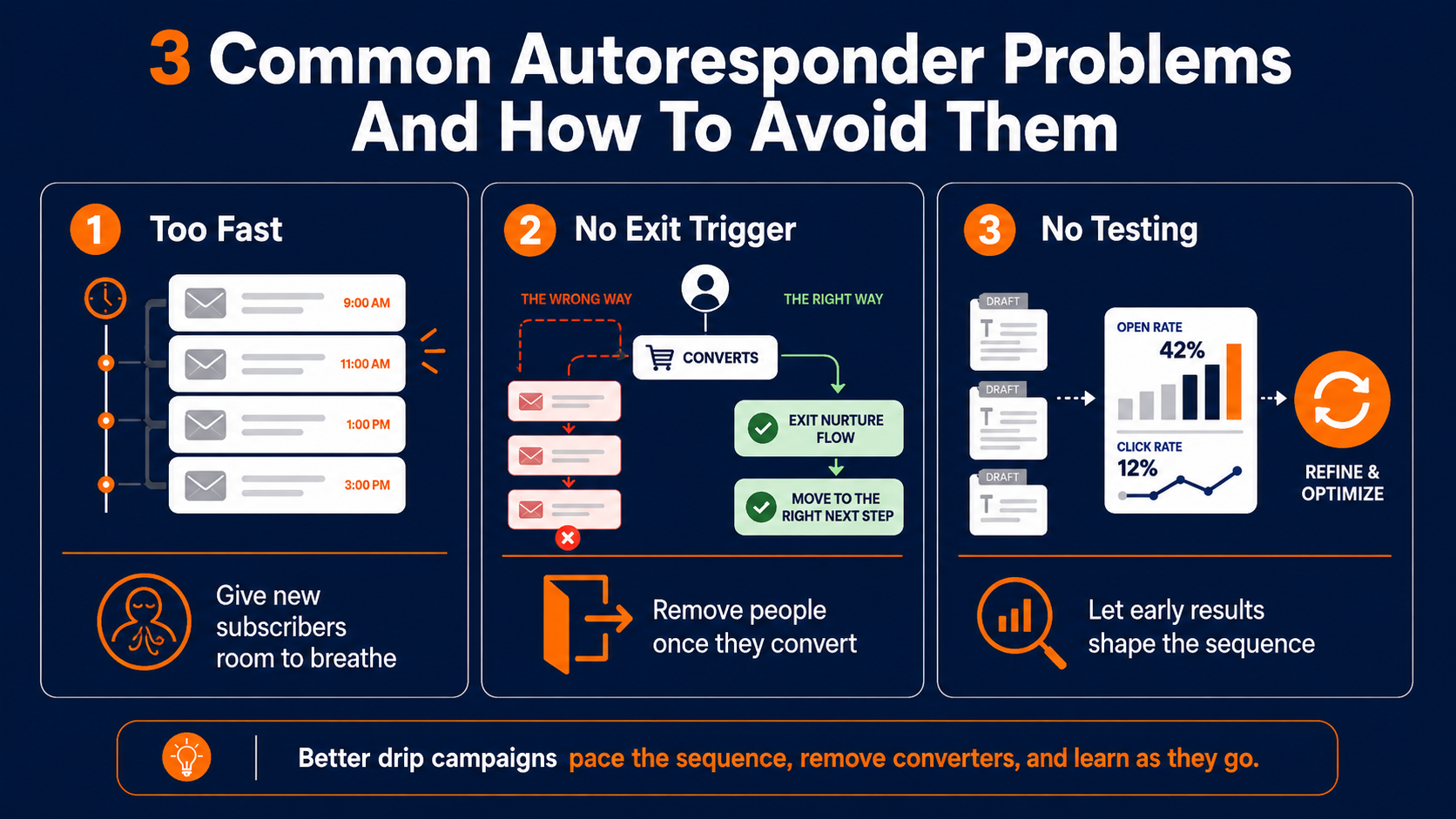
A drip email campaign crammed into two days can overwhelm someone who just signed up and isn't sure yet how much of you they want in their inbox. Give a new subscriber room to breathe between messages, especially in the first week.
There's no single correct gap between emails, but if you wouldn't want to receive your own sequence at that pace, your subscribers probably don't either.
Forgetting the sequence exists once someone converts
A common gap shows up when someone completes the goal partway through a sequence, buys the product, upgrades the trial, books the call, and keeps receiving emails written for someone who hasn't done any of that yet. That mismatch reads as sloppy even when the rest of the sequence is well written.
Build an exit condition into every sequence from day one. The moment someone completes the goal, they should drop out of that flow and, if it makes sense, into a different one built for where they actually are now.
Writing the whole sequence before testing any of it
It's tempting to write all five or six emails in one sitting and schedule the whole thing at once. Resist that. Send the first email, watch how it performs, and let that data shape the tone and offer in the ones that follow.
A sequence built in one uninterrupted burst tends to read that way too, with the same energy and the same handful of phrases repeated because nobody stepped back between drafts.
Treat Launch Day As Day One, Not Done
This is where most autoresponder series actually go wrong. Somebody builds the drip email campaign, watches it for a week, and never opens the report again until something breaks badly enough to notice.
Why last year's sequence might already be stale
A sequence built for your business eighteen months ago was built for a different list, a different offer, and probably a different version of your product. What worked then might be costing you opens and clicks now, and you'd have no way of knowing without going back to look.
Check on it every quarter at minimum. A few questions worth asking every single time you do.
- Is the goal from step one still the right goal for this sequence?
- Are your segments still accurate, or has your list shifted underneath them without you noticing?
- Have you tested a new subject line on the first email in the last six months?
- Would today's version of your product or offer actually change anything in email three?
What rising unsubscribes are actually telling you
The unsubscribe rate on automated sends tends to run higher than on standard campaigns, which makes sense given automated messages often reach people early in the relationship, before they've decided how much they want to hear from you. That's not automatically a reason to panic.
It is a reason to keep watching the numbers instead of setting the sequence and walking away for another eighteen months. A rising unsubscribe rate on one specific email in the sequence, rather than across the whole thing, usually points to that exact email rather than the strategy overall.
Build The Sequence Inside One Platform, Not Six Tabs
How many of your current subscribers are getting the version of this sequence you built a year ago, instead of the one you'd actually write for them today?
That gap closes fastest when the whole sequence lives somewhere you can actually see and adjust it, not scattered across whatever tool seemed easiest at the time.
Streamline lead magnet delivery and drip campaigns in one place
Pinpointe's behavioral triggers and automation exist to handle exactly this kind of sequencing, so a welcome series, a lead magnet delivery, and a funnel-focused drip campaign can all run from the same place without you stitching separate tools together by hand.
If your current autoresponder series hasn't been opened since the day it launched, that's worth fixing before your next new subscriber shows up and gets the outdated version instead of the one you'd actually build today.
What Happens To Your Next New Subscriber, Right Now?
A working autoresponder series comes down to five things. Pick one goal per sequence, segment before you write, map the cadence on purpose, write like there's one person reading, and then actually check back in on your email marketing automation once it's live.
Skip any one of those steps and the sequence still runs. It just runs worse than it should, quietly, for as long as nobody looks, which for most businesses turns out to be a lot longer than anyone would guess.
If you want a second pair of eyes on the autoresponder series you already have running, schedule a demo with our team, and we'll walk through exactly where it's losing people.